Source SS316L Clamp Pipe Holder for Industrial Systems
Find and compare 30 SS316L clamp pipe holder options from Zhejiang suppliers. These forged stainless steel fittings support pipes in various sizes and connections, featuring adjustable designs and standard certifications for reliable industrial applications; compare the available evidence and request quotations based on your requirements.
Key considerations
Products List


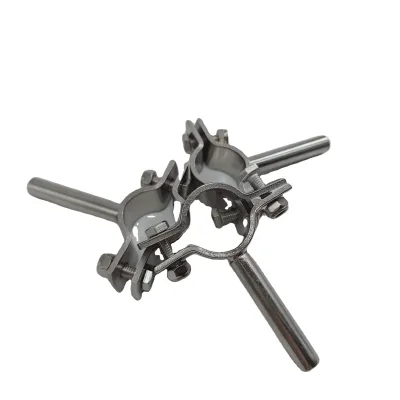

Comprehensive Sourcing Guide
SS316L Clamp Pipe Holder Sourcing Guide
Procuring SS316L clamp pipe holders requires careful evaluation of material grades and connection methods to ensure system integrity. The observed product listings indicate a strong presence of stainless steel components designed for connecting pipes in industrial settings. Buyers must verify that the specific alloy grade matches the corrosive environment of their application, as generic stainless steel may not provide sufficient resistance. The available customization options allow for tailored solutions, but the core material composition remains the primary determinant of longevity and performance.
Selection also depends heavily on the specific pressure and temperature ratings observed in the market data. Listings show pressure capabilities ranging from 0 to 3 bar and temperature tolerances between -20°C and +220°C. These parameters define the operational envelope for the pipe holders, necessitating a precise match between supplier specifications and actual process conditions. Ignoring these limits can lead to premature failure, making it essential to cross-reference the technical data sheets against the intended operating environment before finalizing any purchase order.
Product Scope and Observed Listing Signals
The market for pipe holders presents a diverse range of sizes, typically spanning from 1/2 inch up to 12 inches in diameter. This wide specification range supports various industrial needs, from small-scale instrumentation lines to large-diameter process piping. Buyers should note that while some listings specify sizes like 1 to 4 inches, others extend significantly higher. It is critical to confirm the exact size availability for the specific project requirements, as stock levels and manufacturing capabilities may vary between different suppliers offering these components.
Variations in design features such as head type and connection methods are also prominent in current listings. Products are frequently described with round or hexagon heads and offer connection methods including welding, clamping, threading, and unions. The presence of rubber options or specific handle configurations adds further complexity to the selection process. Procurement teams must clearly define whether the application requires a fixed or adjustable hanger style to ensure the selected product integrates seamlessly with existing piping infrastructure without requiring extensive modification.
Technical Specifications to Verify
Material verification is the first critical step when evaluating technical specifications for these components. While listings confirm the use of stainless steel, the specific grade, such as SS316L, must be explicitly stated to guarantee corrosion resistance. The forging process mentioned in several product descriptions suggests a high-strength manufacturing method, but buyers should request mill test reports to confirm the chemical composition. Relying solely on general material descriptions can lead to the receipt of inferior grades that may fail under stress or in aggressive chemical environments.
Dimensional accuracy and surface treatment are equally vital for ensuring proper fit and function. The observed surface treatments include polishing, which enhances hygiene and reduces friction, but the exact finish quality must be verified against project standards. Additionally, the connection types, such as BSP or NPT threads, must align with the existing piping system to prevent leaks. Buyers should insist on detailed drawings that specify tolerances for the 1/2" to 12" size range to avoid installation issues caused by dimensional discrepancies.
Compliance and Safety Documentation
Regulatory compliance is a non-negotiable aspect of sourcing industrial pipe supports, particularly for food, beverage, and pharmaceutical applications. The observed listings reference standards such as 3A, SMS, DIN, ISO, and IDF, which are crucial for industries with strict hygiene requirements. Procurement teams must verify that the specific product batch carries the relevant certifications for the intended industry. Without these documented standards, the components may not meet legal or safety mandates, potentially leading to regulatory penalties or product recalls.
Safety documentation also extends to the warranty and service terms provided by the supplier. A standard one-year warranty is frequently observed, but the scope of coverage regarding material defects or workmanship must be clearly defined in the contract. Buyers should also confirm the availability of remote service support to address any post-installation issues promptly. Ensuring that the supplier provides comprehensive documentation, including material certificates and compliance statements, protects the buyer from liability and ensures the system operates safely under pressure.
Cost Drivers and Commercial Terms
Pricing for SS316L clamp pipe holders is influenced by material costs, manufacturing complexity, and order volume. The observed price range of 0.02 to 57 USD reflects significant variation based on size, customization, and specific technical requirements. Smaller, standard items may be available at lower price points, while custom-forged or large-diameter units command higher costs. Buyers should analyze the total cost of ownership rather than just the unit price, considering factors like shipping, packaging, and potential rework costs if specifications are not met.
Minimum Order Quantities (MOQ) and lead times are key commercial terms that impact procurement planning. Listings show MOQs ranging from a single piece to 5000 units, offering flexibility for both small projects and large-scale deployments. Delivery times are typically cited as 7 to 10 days, but this can vary based on customization needs and current production capacity. Negotiating favorable terms regarding packaging, such as bubble packs or plywood cases, can also reduce logistics costs and prevent damage during transit, adding value to the overall commercial agreement.
Supplier Qualification and Quality Control
Supplier qualification involves assessing the manufacturing location and production capabilities to ensure consistent quality. The majority of observed listings originate from Zhejiang and Wenzhou, China, regions known for their industrial manufacturing base. Buyers should verify the supplier's facility capabilities, including their ability to handle forging and polishing processes to the required standards. Establishing a relationship with a supplier who has a proven track record in producing pipe holders for similar industries reduces the risk of quality inconsistencies.
Quality control protocols must be rigorously applied to every batch of pipe holders received. Buyers should implement incoming inspection procedures that verify dimensions, surface finish, and material grade against the agreed specifications. The availability of OEM and ODM support indicates that suppliers can adapt to specific needs, but this flexibility must be managed with strict quality checks. Regular audits and clear communication channels regarding defect reporting are essential to maintain high standards and ensure that every component meets the rigorous demands of industrial piping systems.
Long-Term Procurement Checks
Sustaining a reliable supply chain requires ongoing monitoring of supplier performance and product consistency over time. Buyers should establish a schedule for periodic reviews of the pipe holders' performance in the field, tracking any signs of corrosion, wear, or mechanical failure. This proactive approach allows for early detection of potential issues and facilitates timely corrective actions. Maintaining a history of product performance helps in making informed decisions about future orders and supplier relationships.
Continuous improvement in procurement strategies involves staying updated on industry standards and technological advancements. As standards like ANSI, DIN, and ISO evolve, suppliers must adapt their products to remain compliant. Buyers should engage in regular dialogues with suppliers to understand upcoming changes in material availability or manufacturing techniques. By fostering a collaborative relationship and demanding transparency, organizations can ensure a steady supply of high-quality SS316L clamp pipe holders that meet both current and future operational needs.
FAQs
What materials and sizes are available for ss316l clamp pipe holders?
These pipe holders are typically made from stainless steel and come in sizes ranging from 1/2 inch to 12 inches. Some specific models offer sizes between 1 inch and 4 inches. The material ensures durability and corrosion resistance for industrial applications requiring reliable pipe support and connection.
Can ss316l clamp pipe holders be customized for specific projects?
Yes, customization is available for these pipe holders. Buyers can request OEM or ODM support to tailor the products to their specific needs. This includes options for custom sizes, connection methods, and packaging requirements, ensuring the final product meets precise engineering and operational specifications for various industrial environments.
What certifications and standards do these pipe holders meet?
These pipe holders often meet various international standards including DIN, ISO, 3A, SMS, IDF, and RJT. Some products also comply with ANSI standards. Certifications such as CE may be available. These standards ensure the products meet rigorous quality and safety requirements for use in demanding industrial and sanitary applications.
What is the typical lead time for ordering ss316l clamp pipe holders?
The typical delivery time for these pipe holders is approximately 7 to 10 days. This timeframe allows for efficient processing and shipping of orders. Buyers should confirm specific lead times with suppliers, as production schedules and stock levels can influence the exact delivery date for customized or bulk orders.
What are the minimum order quantities for these pipe holders?
Minimum order quantities vary, with some suppliers accepting orders as low as one piece. Other listings indicate MOQs of 10 pieces or up to 5000 pieces depending on the product type. This flexibility allows buyers to order small samples or large bulk quantities based on their specific project requirements and inventory needs.
How are ss316l clamp pipe holders packaged for shipping?
Packaging options include bubble packs, plastic bags, cartons, and plywood cases. Some suppliers offer customized packaging to meet specific customer requests. This ensures the products are protected during transit. The packaging method is chosen to prevent damage and maintain the quality of the stainless steel pipe holders upon arrival at the destination.